
उप · नि · षद्upa-ni-ṣad: to sit down near
Sit near the Upanishads.
Four Vedas. Thirteen Principal Upanishads. One essence.
Each Upanishad closes a Veda: its Vedānta, the end of the Veda, and its sāra, the essence. Here are all thirteen, every passage in Devanagari, IAST and English, with the chant, Śaṅkara's commentary, and a map that traces each one back to the Veda it distils.
Veda-Sāra · the roots
From four Vedas to thirteen Upanishads.
The Ṛgveda, the Yajurveda in its Śukla and Kṛṣṇa sections, the Sāmaveda and the Atharvaveda each close in Upanishads. Click a Veda to see its texts, a text to open its passages, and follow a mantra back to the Saṃhitā hymn it takes up, like the two birds of , first sung in the Ṛgveda.
- 65 ideas, 29 stories, 38 teachers and seekerseach linked to the passages that carry it; click any Sanskrit word to find it in every text
- 571 Śaṅkara cross-referenceswhere his commentary on one passage cites another
- 60 Veda-Sāra linksinto the Saṃhitās, the Gītā and the Brahma Sūtra, each checked against the text
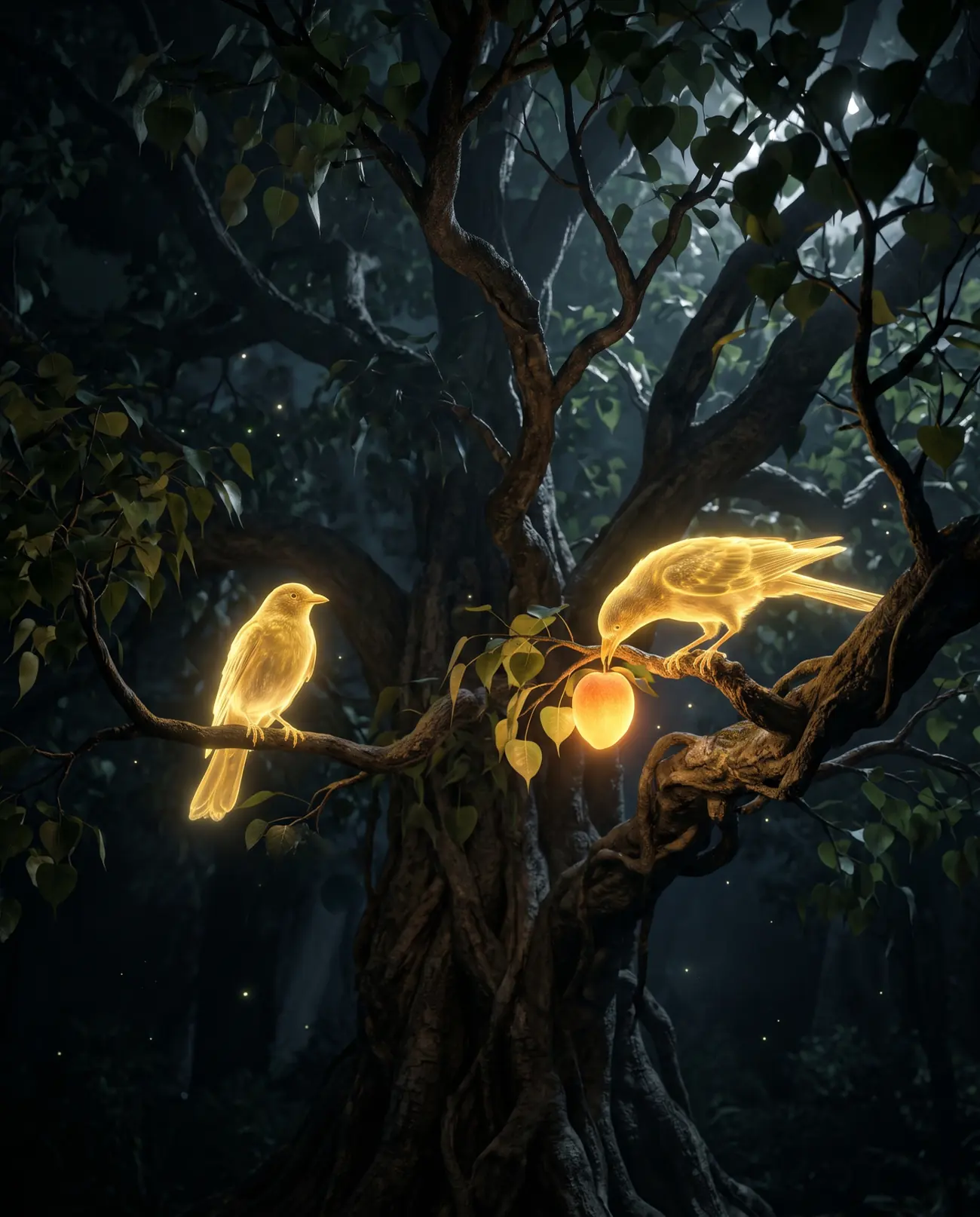
Read · Muṇḍaka Upaniṣad 3.1.1 · Śvetāśvatara 4.6
Read it the way it was written.
Two birds that are ever associated and have similar names, cling to the same tree. Of these, one eats the fruit of divergent tastes, and the other looks on without eating.
- Devanagari and IAST, toggle either; every word looked up
- English for all 1,693 passages
- Śaṅkara's commentary on 1,391 passages
- The chant for 460 mantras, with speed and loop
Guided paths
8 walks through the texts.
The texts
Thirteen Upanishads. Every passage.
Chat with the graph
Ask the Upanishads.
The graph finds the mantras, ideas and stories that bear on your question and answers from them. Connect a model with your own key for written answers; every citation is checked against the texts before you see it. Your conversations stay in this browser.
Why “UpaSārathi”
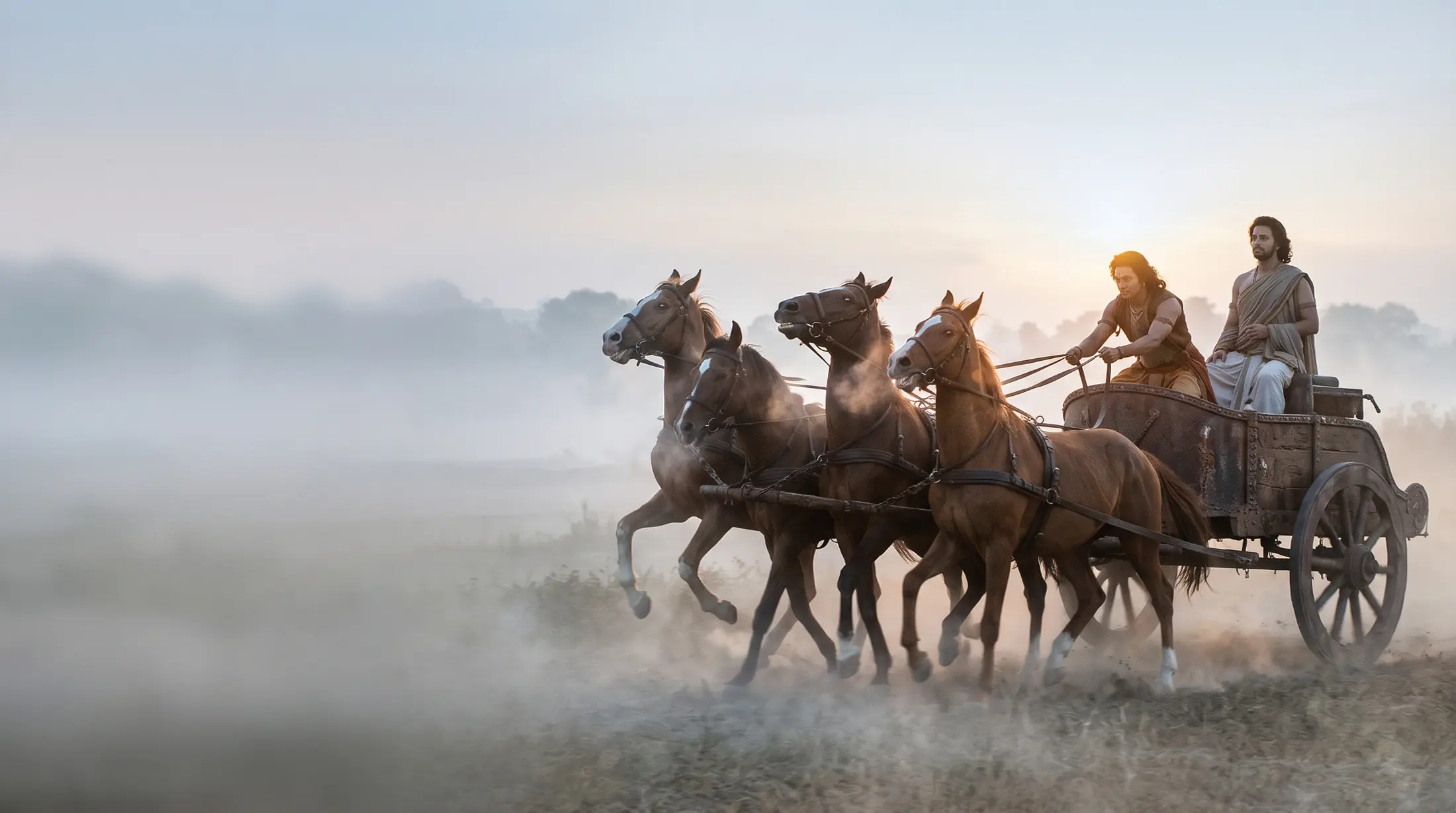
The charioteer who sits near.
आत्मानँ रथिनं विद्धि शरीरँ रथमेव तु ।
“Know the Self to be the master of the chariot, and the body to be the chariot. Know the intellect to be the charioteer, and the mind to be the reins. The senses they speak of as the horses; the objects within their view, the way.”
Sārathi is the charioteer; upa, near. The Kaṭha's image of the self in a chariot, the intellect at the reins and the senses as horses, is the way in: a guide that sits near, holds to the text, and points back to the way.
Walk the chariot path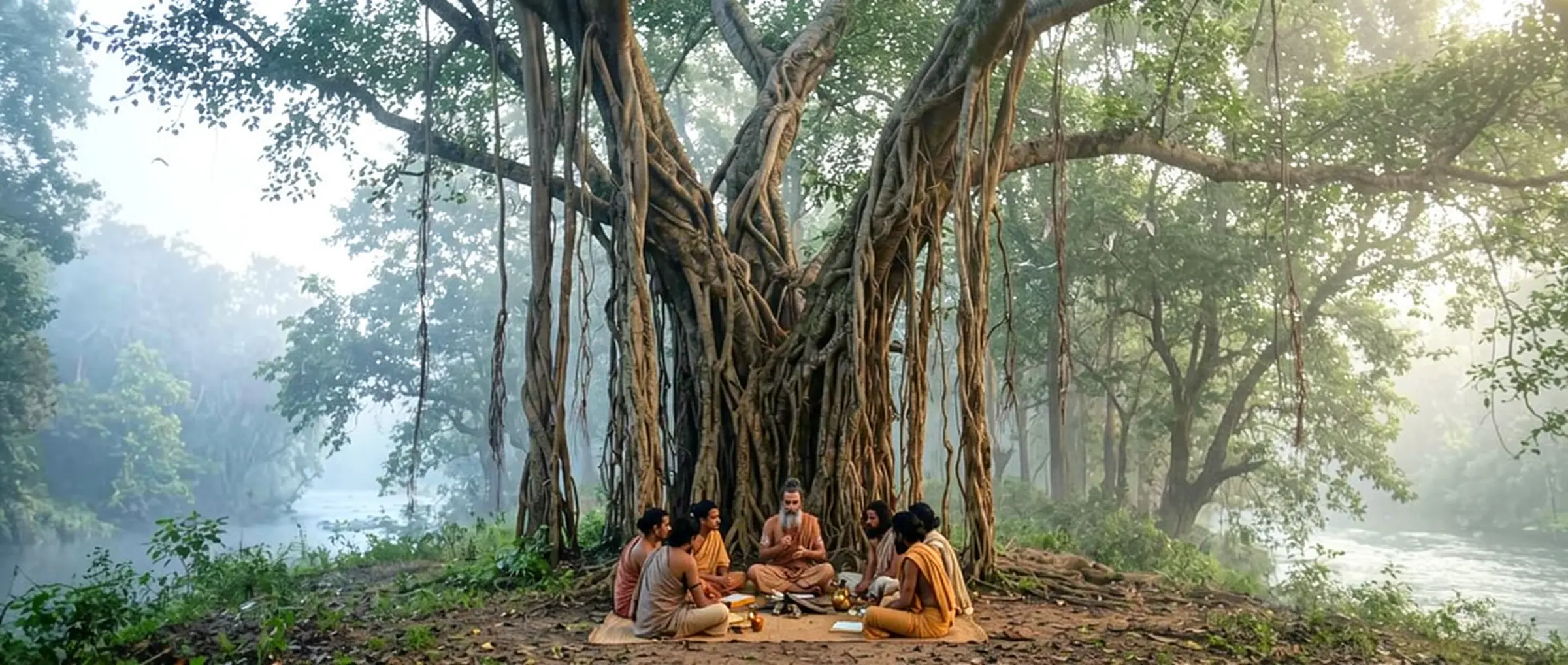
उत्तिष्ठत जाग्रत प्राप्य वरान्निबोधत
Arise. Awake.
“Arise, awake, and learn by approaching the exalted ones.” The Upanishads were taught like this: a few students, a teacher, a question. Bring yours.